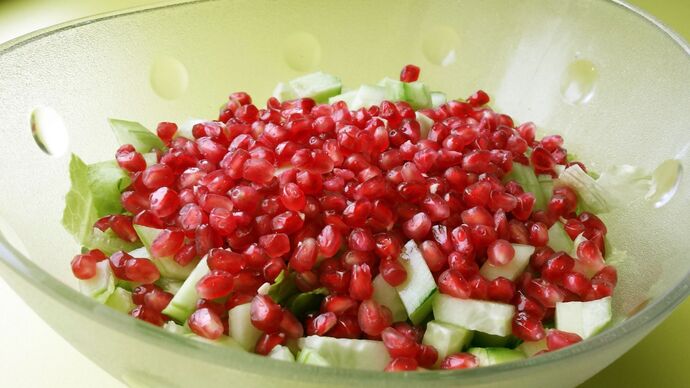
Yesterday, on a Sunday afternoon, after a two-year break I once again invited guests to celebrate Čaks's birthday. Wanting to treat them to something new, I made a fresh salad with pomegranate seeds and Brie alongside the festive roast. The salad met with approval, so I decided to share it with iinuu.lv readers.
Movement is no longer butterfly-like. Everyone is flying in flocks. Herd instinct. Meerkats and penguins try to huddle closer together so as not to freeze. Time to say goodbye, to part, to leave someone or be left. The perfect time to feel melancholy.
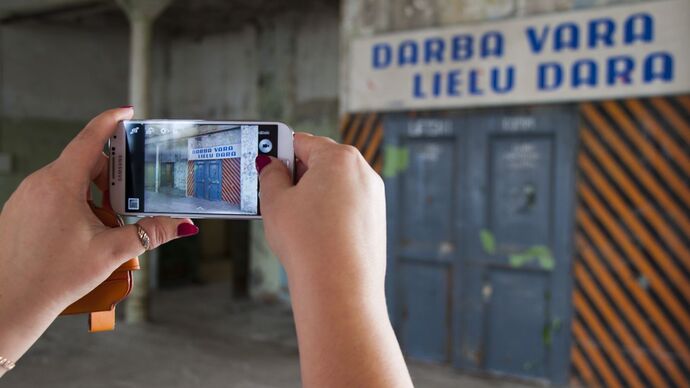
The venue hosting the international contemporary art festival SURVIVAL KIT this year is itself worthy of a separate story. The installations are arranged in the spacious grounds and building of the former textile factory "Boļševička", which was built at the start of the 20th century as the "Buffalo" leather footwear factory. The spaciousness, industrial spaces, and light of the building are ideal for displaying art works.
For four days, Building No. 5 of the Riga Psychiatry and Narcology Centre became a flowering garden where not only the residents of that building but any city dweller could seek peace and closeness with nature. Walking barefoot across the lawn, one could peek into themed rooms. Each was dedicated to some story, some human fate, some human talent, and the fragile boundary between reason and madness.
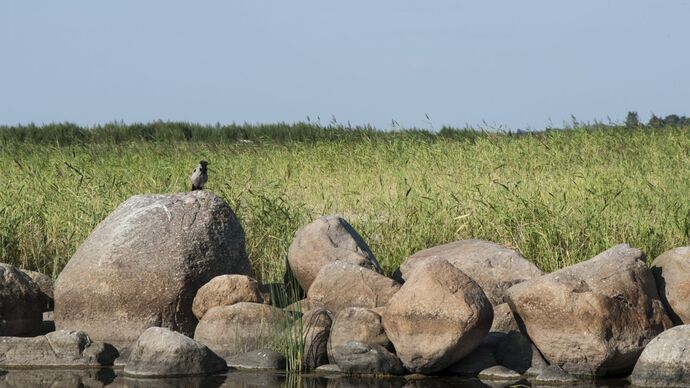
This time we did not stay at a campsite or one of Estonia's celebrated SPA hotels, but instead chose to rent an entire family house on the seashore via Booking.com. The Kabli area was already familiar, as it is home to one of the few sandy beaches on Estonia's western coast. The other shores are either overgrown with grass or so rocky that entering the water without swim shoes is unthinkable.
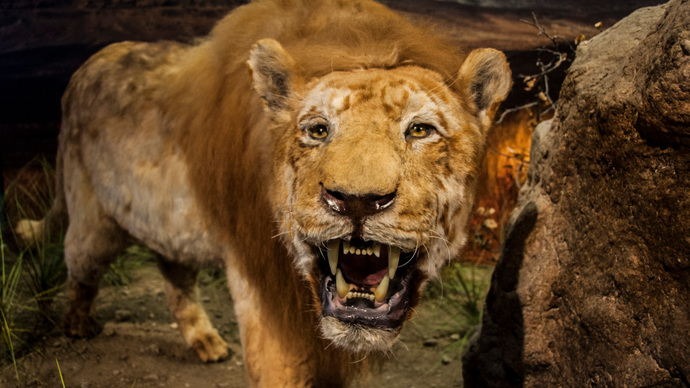
The Ice Age Centre is located not far from Tartu, a dozen or so kilometres to the north, in the small village of Äksi on the shore of a beautiful lake. The building itself resembles a large grey block, which inside consists of three floors with a sizeable open space in the middle, housing the centre's main star and logo symbol - a life-size mammoth.
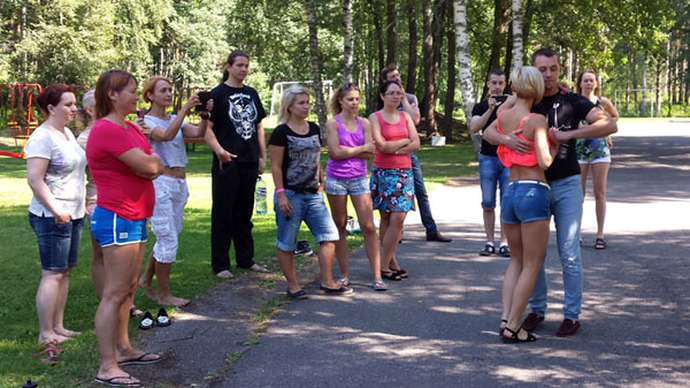
Beginners were lucky, as the classes took place under the open sky, on a sun-drenched lawn, with the option of dancing barefoot - the latter mainly to avoid treading on a partner's toes. The atmosphere was very relaxed, and a beginner with no experience didn't feel in any way excluded or critically judged. Even if in some classes there wasn't much to learn, they still gave a small taste of the dances themselves.
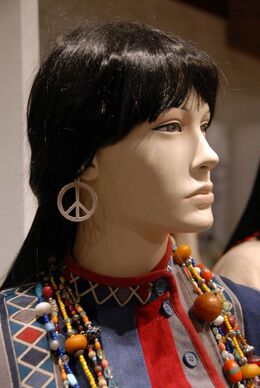
The exhibition tells of a decade characterised by the triumphant march of flower children i.e. hippies, whose core values were freedom, love, open sexuality, and naturalness. Unisex, denim, cotton printed with floral and ethnic patterns, woven and knitted pieces, and a rejection of precious metals in jewellery and accessories dominated the clothing. Impressive cork platform shoes and large sunglasses in colourful and decorative plastic frames in the dragonfly style.
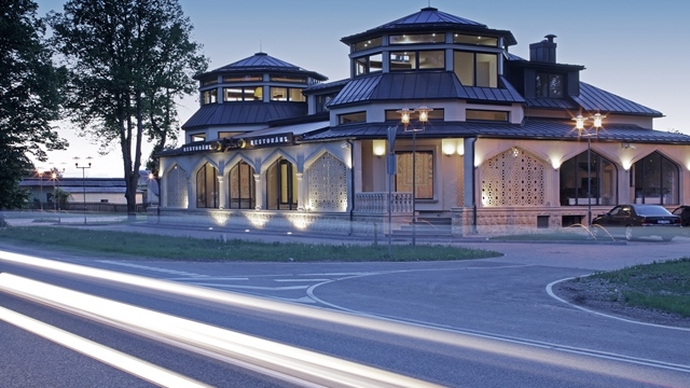
One Friday evening, just before Midsummer, we set out to explore the Azerbaijani restaurant Baku. On arrival, the impressively large building was a pleasant surprise. The chef's quirk of serving dishes without any seasoning we could not quite fathom. The wine service, too, was rather unconventional.
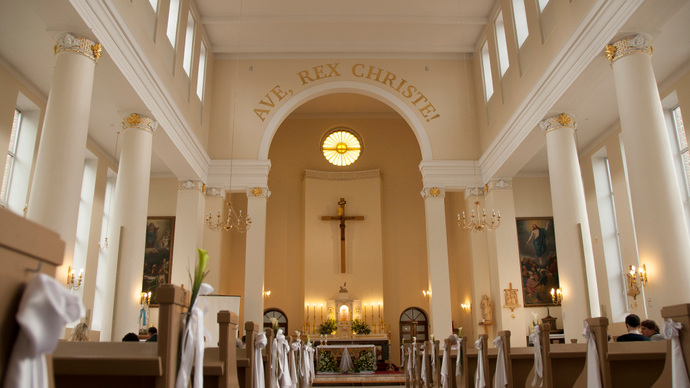
Church Night, taking place this year for the first time and so far only in Riga, unfolded much like Museum Night, with houses of worship of various denominations opening their doors to visitors on the evening of 6 June from 18:00 to 24:00. Where to begin? We start with the nearest neighbourhood and the congregations within it. Sarkandaugava has three houses of worship - Lutheran, Catholic, and Orthodox (the last was closed to visitors that night).